
Make the business entity consistent
Use the same business name, phone number and core contact details across the website and important profiles. If the business has a real customer-facing address, keep it accurate. If it is a service-area business without a public storefront, do not invent a location simply to target a city.
Optimize Google Business Profile around reality
Choose the closest accurate primary category, complete services, hours, description and photos, and keep the profile updated. Reviews should be earned naturally from real customers. Do not use review gating, fake reviews or location stuffing.
Create location pages only when they add value
A city page should explain how the service applies in that market, what customers there need, how projects are delivered and what makes the offer relevant. Swapping one city name into dozens of nearly identical pages creates doorway-style content and weak user value.
For businesses serving multiple regions remotely, be transparent about the service model. You can target a market without pretending to have an office there.
Build local authority with real mentions
Relevant industry directories, chambers, associations, suppliers, partners, client references, event pages and local publications can help search engines verify that a business participates in a real market. Prioritize accurate, relevant mentions over bulk directory submissions.
Measure leads, not only rankings
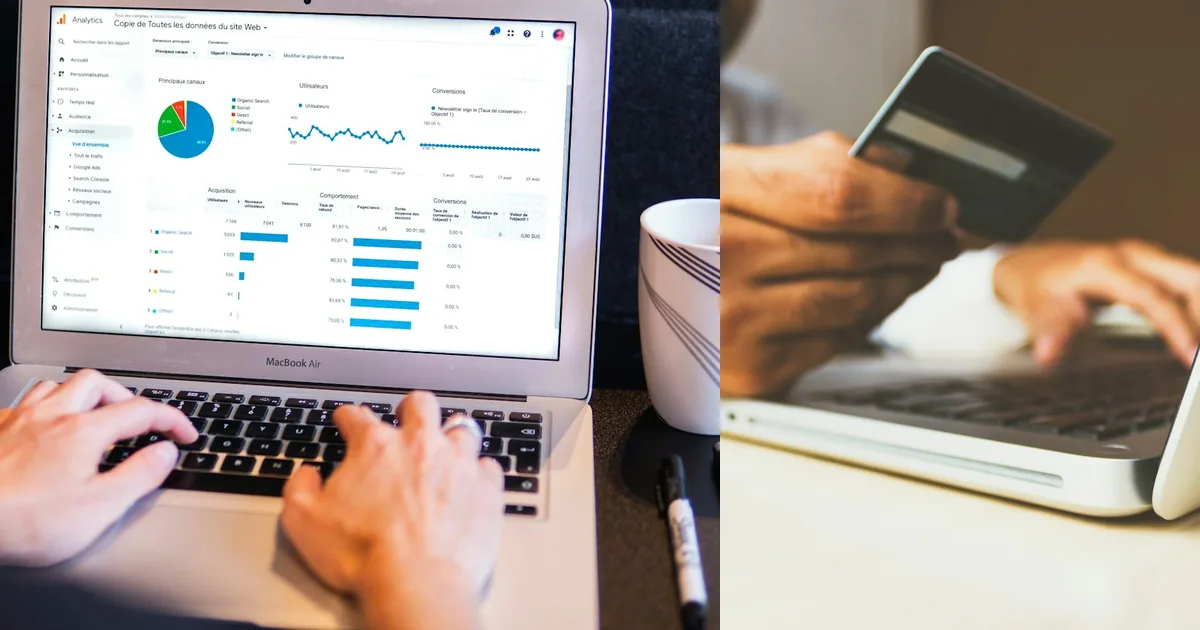
Track calls, forms, messaging clicks and bookings by landing page and source. In Search Console, segment queries and pages to see whether local impressions are growing. In Google Business Profile performance, watch discovery and actions. The objective is qualified local demand, not a screenshot of a single keyword position.
Common questions.
Do I need a physical office to rank locally?
A real physical location can help for map visibility, but service-area businesses can still build local relevance. Do not publish fake addresses.
Should I build a page for every city?
Only when each page can provide genuinely distinct and useful information. Large sets of near-duplicate city pages can create doorway-style content.
Are local citations still useful?
Accurate citations can support entity consistency, especially on important industry and local platforms. Quality and accuracy matter more than sheer quantity.