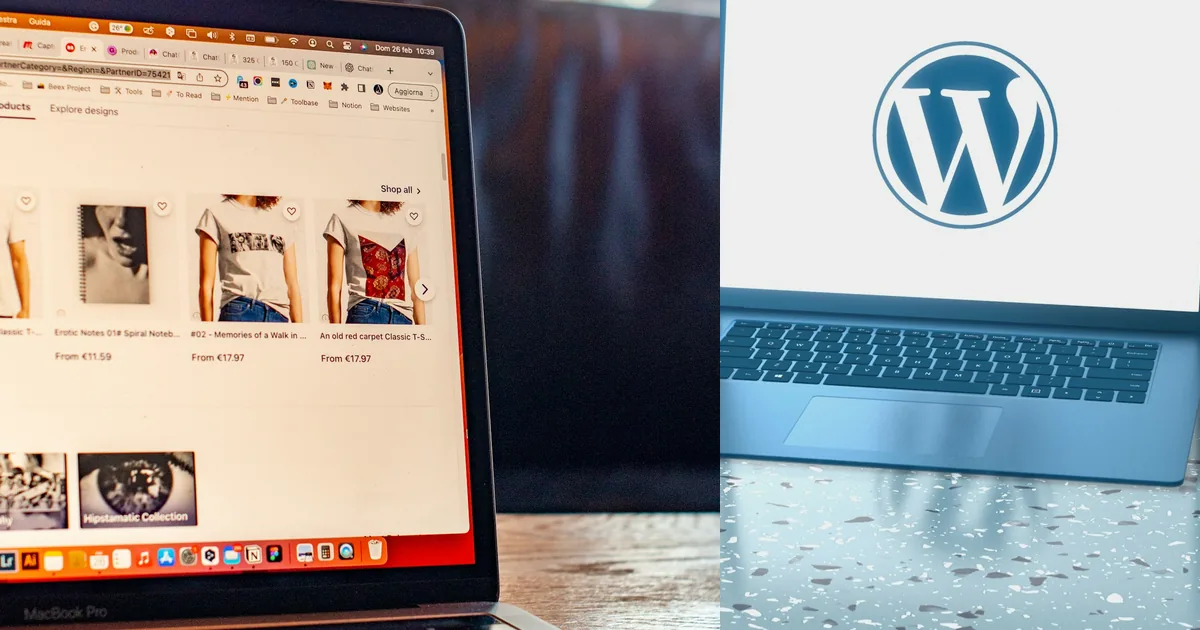
Custom WordPress builds and template systems
Projects can use the block editor, Elementor or custom theme components depending on editing needs and performance requirements. Reusable templates are designed so normal pages stay consistent and content teams can update the site without rebuilding layouts from scratch.
Elementor without unnecessary weight
Elementor can be effective when global styles, reusable sections and responsive rules are managed carefully. The build avoids duplicate widgets, excessive nested containers and scripts that are not needed on every page. Performance is considered while designing, not added as a patch at the end.
Technical fixes, migrations and debugging
Existing WordPress sites often need more than a visual redesign. Work can include staging setup, safe migrations, redirect mapping, database cleanup, SMTP fixes, 404 troubleshooting, plugin conflicts, security headers and caching configuration.
SEO foundations inside WordPress
Templates support unique titles, descriptions, canonical URLs, crawlable links, structured data and XML sitemaps. Category, tag, search and parameter pages are reviewed so the CMS does not create large amounts of low-value indexable content by accident.
Handover and maintainability
Admin editing should be predictable. Reusable fields, consistent image ratios and documented content patterns reduce the risk that future updates break responsiveness or performance.
Common questions.
Do you only work with Elementor?
No. The best approach depends on the existing site and editing requirements. Projects can use Elementor, the block editor or custom PHP/theme components.
Can you improve an existing WordPress site instead of rebuilding it?
Yes. Performance, technical SEO, templates, plugins, database issues and responsive problems can often be improved without a full rebuild.
Can WordPress handle a serious business website?
Yes, when hosting, plugins, security, backups and development practices are managed properly.